


 Боевая авиация 7го поколения
Беспилотники превратятся в мух
— 20.06.11 20:54 —
ТЕКСТ: Сергей Смирнов
ФОТО: dailytechinfo.org
Американские военные разрабатывают новый тип беспилотных самолетов, которые будут похожи на птиц и насекомых, пишет в понедельник The Telegraph. Американская компания AeroVironment уже разработала аппарат с названием «Нано-колибри», внешне очень похожий на птицу. Его можно использовать для разведки и наблюдения. Беспилотник достигает скорости 11 миль в час, даже при сильном ветре. «Нано-колибри» управляется удаленно, и оператор может наблюдать за происходящим с помощью камеры, находящейся на борту.
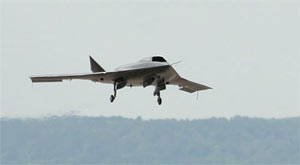
Американские военные планируют, что к 2030 году на вооружение поступят беспилотные самолеты в форме птиц и насекомых. Пентагон рассчитывает, что оснащенные датчиками и камерами «стаи шпионов» смогут обнаруживать врага, ядерное оружие и даже пострадавших в результате стихийных бедствий. Летательные аппараты будут напоминать птиц и насекомых не только внешне, предполагается, что беспилотники будут копировать движения животных.
После событий 11 сентября 2001 года американцы стали активно использовать беспилотные самолеты в Афганистане, Ираке и Пакистане. С их помощью военные наблюдают за перемещениями повстанцев, а также помогают находить цели для нанесения ракетных ударов. В настоящее время Пентагон использует в своих целях около 7 тысяч беспилотных самолетов.

 Reply With Quote

 Even so, industry is banking on the Navy eventually issuing requirements for swarming. Several firms are working on methods of getting large groups of drones to navigate together without colliding, to collaborate on tasks and to share data so that information isn’t lost if one drone in the swarm is disabled or destroyed. High-fidelity sensors aboard each drone, combined with sophisticated software algorithms to tell the drone to “sense and avoid” another object, is one way to keep a swarm from destroying itself, but industry experts says that sense and evade is an expensive solution. Instead, several firms are working on networks that maintain distance between their nodes. These offer the advantage of also being able to move imagery and targeting data from node to node.


