ясно. я думал, он из беспартийных. ну, значит, опорочить хотят вождя!Originally Posted by Alter Ego


 Re: Россия. Что происходит? - 5
ясно. я думал, он из беспартийных. ну, значит, опорочить хотят вождя!
 Re: Россия. Что происходит? - 5
Это всё козни русофобов.
Вам же сказали: приходите завтра!
А Вы всё время сегодня приходите.
 Re: Россия. Что происходит? - 5
История повторяется, как фарс. В этот раз будет не Карибский кризис, а какие-то ваньки-рас3.14дяи потеряют ракету, или продадут за гашиш, и местные ишаки используют ее для меж-племенных разборок.
"America is too great for small dreams." ~ Ronald Reagan

 Re: Россия. Что происходит? - 5
даже если и так, если ваньки продадут ишакам за гашиш ракеты ( допустим многострадальным палестинцам )... ну сотрут ишаки с лица земли пару миллионов израильских агрессоров. так или иначе но во всем есть положительные стороны.
Но только тот кому нечем больше гордиться будет гордиться своей национальностью (с) Газенваген Демосфер
Чем меньше окружающих знают о твоих делах, тем удачнее они складываются.
 Re: Россия. Что происходит? - 5
М-да уж, вот это уровень пропаганды. Я сначала думал, что такого просто не может быть. Паспорт Путина в забытом баллоне с зарином - это же всем понятно , что фейк? Оказывается нет, бандерлоги готовы поверить и не в такое.
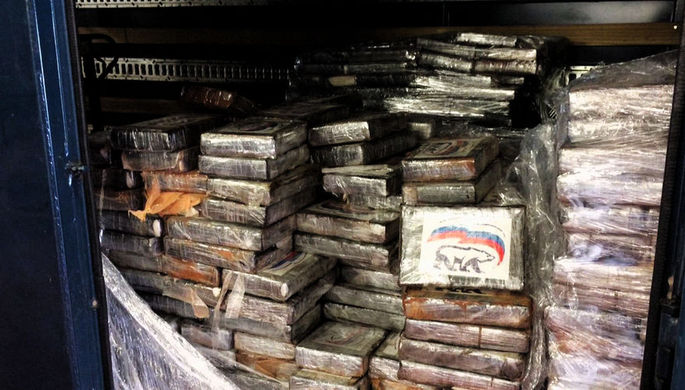
А что, хорошая идея. Никак не могут придумать, за что ТРампа выгнать. А ведь все просто, подгони к мексиканской границе два грузовика с героином, да не забудь на бортах слона нарисовать. И дело в шляпе.
Власс, ты конечно злой. Но правильный и без хамства... (С) Экспортер
Жизнь она всётаки очень прешиз шоп тратить её на диспуты с навозом.(С) Yurikka
 Re: Россия. Что происходит? - 5
чтобы выгнать Трампа - надо чтобы оркестр калифорнийских казаков начал играть на лужайке перед Белым домом марш Семёна Чернецкого "Салют Москва".
Жизнь дается человеку один раз и прожить ее надо так, чтобы не ошибиться в рецептах.
Строить Асгардию побуждает тьма, посетившая людские души
Re: Россия. Что происходит? - 5
Как сказал Собянин 24го августа - и пусть в каждом скверике , парке , на вокзалах , возле каждого супермаркета .... играет военный оркестр!
А либеральную сволочь пороть казачьими нагайками прямо в "Пятёрочках" под музыку песни "С чего начинается Родина".
Жизнь дается человеку один раз и прожить ее надо так, чтобы не ошибиться в рецептах.
Строить Асгардию побуждает тьма, посетившая людские души

 Re: Россия. Что происходит? - 5
Ты мало того, что припоздал, но и опять показал себя во всей красе, впрочем как и многие здесь.
Drug Cartels and other Latin American drug trafficking groups use logos to identify shipments
Colombians started the practice of using logos
The first drug trafficking organizations to use logos to mark cocaine were Colombian, and later Mexican. In the 1980s, the Cali and Medellin cartels marked shipments with seals or symbols to prevent theft of their shipments.
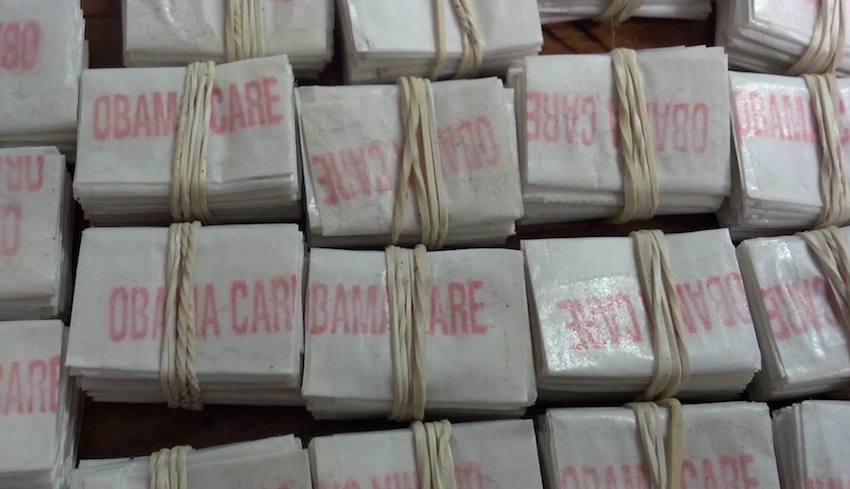
The logo used on the drugs depends on the ingenuity of the producer or criminal organization. Transnational criminal organizations have used caricatures, combinations of letters and signs, soccer shields, cartoon images, Roman numerals, car brands and media logos.
Authorities believe the cocaine packages marked with the number 800 belonged to Los Urabeños, and the other packages belonged to a Mexican drug trafficking group. Authorities declined to provide further details because the investigation is ongoing.
In February 2014, troops from Ecuador’s Anti-Narcotics Directorate seized 949 kilograms of cocaine from a fishing boat during “Operation Sunrise.” The drugs were hidden inside a fishing boat 10 miles from Puna Island in the province of Guayas. The packages of cocaine were labeled with logos from car brands, such as BMW, Toyota, and Volvo. Authorities suspect the cocaine belonged to La Familia Michoacana (LFM), a transnational criminal organization based in Mexico. The cartel transports cocaine shipments through Ecuador to Mexico.
In June 2009, Colombian security agents seized 342 kilograms of cocaine in the municipality of Tumaco. Authorities reported that the drug belonged to a faction of the FARC. The packages had a logo of a panda bear and the letters KTM.
In October 2011, agents with the Colombian National Police seized 400 kilograms of cocaine in Cali and Córdoba. Those drug packages were marked with the log of TV network CNN. Authorities suspect this drug shipment belonged to the Calle Serna Brothers, who are also known as Los Comba. They are the leaders of Los Rastrojos, a Colombia-based drug trafficking group which supplies cocaine to Mexican drug cartels.
Security forces in El Salvador have identified approximately 21 drug shipments with logos drawn on each of the packages. The logos included cartoon images such as Tweety Bird, Hello Kitty, Popeye, and caricatures of Batman and from the Mexican TV sitcom ‘El Chavo del Ocho’.
Catalogs of drug trafficking logos
CLACIP has compiled a catalog of about 500 logos used by drug trafficking organizations.
The European Union (EU) is compiling a catalog of logos used by drug trafficking groups. Those logos include images used by FIFA, Coca-Cola, the Vatican, the shield of a soccer team from Argentina called the Boca Juniors Athletic Club, and others. EU authorities hope the catalog will help law enforcement officials establish links between the drugs seized in different countries to identify drug trafficking routes.
“Whenever there is a drug seizure and anti-narcotics (agents) find some kind of logo at the scene, they begin look for it in the international catalog. If they don’t find it, they report it to the CLACIP so that the organization can add it to the catalog and alert other members,” the chief of the Anti-Narcotics Division (DAN) of the El Salvador police, Marco Tulio Lima, told El Mundo.
Cataloging the logos used by drug traffickers is a way for law enforcement officials to monitor the activities of organized crime groups and the drug routes they use, Tirado said.
Drug Bust Yields More Than 1,200 Bags of Heroin Marked ‘Obama Care’
 Re: Россия. Что происходит? - 5
21 августа! Календарь купи!
Re: Россия. Что происходит? - 5
Еще неделя и осень.....ех ма
There are currently 25 users browsing this thread. (0 members and 25 guests)
 Posting Permissions

|
Terms of Service | Privacy Policy |
 
|

 Reply With Quote